Senior Word Game
- 4.8
- Rating
- 500.00K
- Installs
- Free
- Price
 Analysis by App-foxy
I approached Senior Word Game expecting a straightforward word-puzzle session, and that is exactly where its appeal begins. It does not ask me to learn a complicated system before I can play. I can open it, focus on a puzzle, and spend a few quiet minutes looking for the right words. That simplicity makes it especially suitable for players who want a gentle mental exercise rather than a fast, noisy game.
Developed by EPIC PANDA GAMES, this free word game is aimed at Everyone and is designed around offline puzzles that encourage attention, recall, and vocabulary practice. I found that description more useful when treated as a routine than as a promise: the game works best when I use it regularly, in short sessions, instead of expecting one long play period to transform my memory. Its average rating is 4.7 from around 6.8 thousand ratings, and it has passed 500 thousand installs, which suggests that its uncomplicated format has found a sizeable audience.
The important question is not whether it contains the most advanced word-game design. It does not try to compete with elaborate narrative adventures or highly social spelling platforms. The better question is whether its presentation and pacing make a small daily puzzle feel comfortable enough to return to. In my experience, that is where it has its strongest case.
You May Also Like

 Blood Strike: 2.5 Anniversary
Blood Strike’s Loadouts Turn Every Drop Into a Tactical Gamble
A close look at Blood Strike’s custom loadouts: how fast access to signature weapons reshapes its battle royale rhythm, rewards preparation, and narrows the gap between fights.

 Pandora - Music & Podcasts
Pandora’s Music Is Easy to Start, but Harder to Recover
Pandora’s strength is its low-effort path from a seed to a station. Its weak spot is how much confidence it asks you to place in connection, setup, and quiet recovery.

 8 Ball Pool
 Is Built on Rivalries, Rematches, and Routine
A close look at the rivalries, rematches, shared routines, and unanswered safety questions that turn a quick pool match into a persistent mobile community.

 Samsung Music
’s Quiet Strength Is Playing What You Already Own
Its reach comes less from spectacle than from dependable access to a personal library. That simplicity is both the app’s strongest retention engine and its ceiling.

 AccuWeather: Weather Radar
AccuWeather Review: A Quick, Clear Forecast for Everyday Decisions
For everyday plans, the best forecast is the one you can understand quickly. AccuWeather makes rain timing, radar, and local conditions easy to act on, with a few trade-offs.

 Hill Climb Racing
Why Hill Climb Racing Still Turns Crashes Into One More Run
A tiny car, a bumpy hill and one more upgrade: Hill Climb Racing keeps resurfacing because its simple chaos makes every near-miss feel personal.
More From Our News Desk



A calm first impression that keeps the task clear
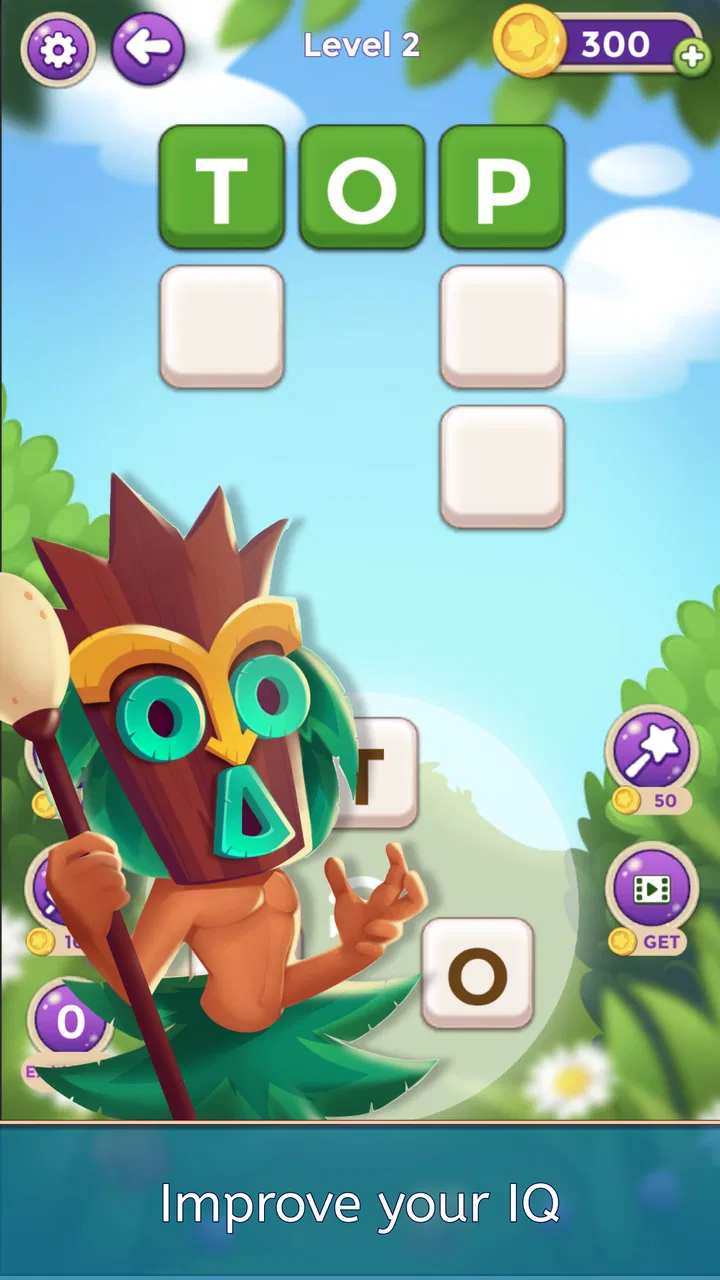
The first thing I noticed was how directly the game presents its purpose. There is little sense of visual clutter competing with the puzzle itself. That matters for a word game aimed at thoughtful play, because every unnecessary decoration can make the basic task feel more tiring. The overall impression is practical and approachable rather than dramatic.
I also like that the game can fit naturally into moments when I do not want a demanding commitment. A short break, a quiet morning, or a few minutes before bed all suit this format. Because the game is described as offline, it is particularly convenient for situations where I want a puzzle without depending on a connection. I would still treat it as a focused activity rather than background entertainment: the value comes from looking carefully, testing possibilities, and resisting the urge to rush.
The free entry point makes trying it easy. There are in-app purchases ranging from $0.99 to $49.99 per item, so I would advise checking the purchase prompts before settling into a routine, especially if the device is shared with a family member. The presence of optional spending does not change the basic appeal of the game, but it is relevant for anyone choosing a simple, low-cost pastime.
One useful way to begin is to play without immediately chasing speed. I first pay attention to how the puzzles are arranged and how much concentration each one demands. That gives me a better idea of whether the game is suitable for a particular player. Someone looking for a relaxed vocabulary exercise may enjoy the measured approach, while someone expecting constant pressure or competitive intensity may find the opening too restrained.
Who will feel at home here
This is a good fit for older players who want a word-focused activity with a clear purpose, but the Everyone content rating also makes it accessible to a broader audience. I can imagine it working well for a parent and adult child who want to compare answers without turning the session into a contest. It can also suit learners who prefer recognizing and arranging familiar words over dealing with complicated rules.
For example, I might open it during a lunch break, complete a puzzle while having a coffee, and leave the phone afterward without feeling pulled into an endless feed. That small boundary is one of the game’s practical strengths. It gives the break a beginning and an end, provided I choose not to let optional rewards or purchase prompts dictate the session.
On the other hand, I would not choose it as my main game if I wanted a rich story, animated characters, competitive leaderboards, or a strong multiplayer component. Those expectations belong to other parts of the word-game category. This title is better understood as a quiet puzzle companion than as a full entertainment world.
How the visual language supports the word puzzles
The art direction works because it does not need to explain a fictional setting. Instead of asking me to explore a large world, it establishes a readable space for letters and clues. That choice keeps the visual language aligned with the game’s purpose. The screen feels like a place for concentration, not a stage that demands attention away from the words.
For a senior-oriented game, readability is more important than visual spectacle. I value clear separation between the puzzle area and surrounding controls, because word games become frustrating quickly when I have to search for the next action. A restrained presentation also helps when I play on a smaller phone or when my eyes are tired. The game’s strongest artistic decision is therefore its willingness to let the puzzle remain the main object.
There is a trade-off here. Players who judge a game mainly by elaborate illustrations may find the presentation modest. I did not come to this title for visual variety, and I think that is the right expectation. The art direction creates a coherent playable mood by staying supportive, but it is unlikely to be the reason someone returns after the first session. The words and the sense of progress have to carry that responsibility.
I find the setting most effective when I treat it as a calm mental workspace. That may sound less exciting than a themed fantasy environment, but it is appropriate for the intended use. A busy setting could make the game feel younger or more distracting. Here, the lack of a heavy narrative frame leaves room for the player’s own concentration, which is valuable when the goal is memory practice or vocabulary recall.
Why restraint helps older players
Many word games add layers of decoration, timed effects, or constant visual rewards to make every answer feel dramatic. That can be entertaining, but it can also make a simple task harder to follow. This game’s quieter approach is more suitable for players who want to think at their own pace. I can focus on the relationship between letters and words instead of tracking several competing systems.
That does not mean every player will find the presentation perfect. A person who needs large controls, stronger contrast, or a very specific accessibility arrangement should test the game on their own device before committing to regular use. The Everyone rating tells me the content is broadly suitable; it does not automatically guarantee that every visual preference will be met. My practical advice is to play in a comfortable environment, increase the device’s display size if needed, and avoid judging the game during a rushed or poorly lit session.
A less obvious benefit of the uncluttered approach is that it makes shared play easier. If I hand the phone to another person, I do not need to explain a complicated fictional context first. We can discuss the word in front of us, suggest alternatives, and let the puzzle itself become the conversation. That makes it useful for informal mental stimulation, not just solitary play.
Sound, rhythm, and the feeling of a short session
Sound is not the main attraction here, and that is appropriate. A word puzzle needs to leave room for internal thought. If the audio layer is too forceful, it can turn concentration into interruption. The game’s mood is better understood through its rhythm: open the puzzle, inspect the letters or prompts, work through possibilities, and finish without requiring a large emotional payoff.
I prefer that kind of rhythm when I am using a game for a break rather than for excitement. The experience does not need a dramatic soundtrack to make a correct answer satisfying. The mental click of recognizing a word can be enough. This also makes the game easier to place in everyday environments where I may want to keep the volume low or play quietly.
The pacing is particularly important for the senior audience. A fast timer can reward quick reactions but punish careful thinking, while a slower structure gives the player time to retrieve a word from memory. I see the game’s value in that pause between seeing a puzzle and finding the answer. That pause is not wasted time; it is the part that turns a guessing exercise into deliberate practice.
Still, the calm rhythm can feel repetitive if I play for too long. I would not treat it like an endless arcade game. After several puzzles, my attention may fade even if the game remains available. A better routine is to stop while the activity still feels pleasant and return later. That approach also reduces the temptation to answer carelessly just to keep moving.
A practical rhythm for daily use
I get more from this type of game when I give each session a small purpose. On one day, I might focus on solving without hints or impulsive guesses. On another, I might use the puzzles as a vocabulary warm-up before reading or writing. This turns a collection of short challenges into a repeatable habit rather than a sequence of disposable taps.
Another useful technique is to say an unfamiliar or difficult word aloud after solving it. That adds a pronunciation and recall step without changing the game itself. If I am playing with someone else, we can discuss what the word means or where we have seen it before. The app does not need to become a classroom to support this kind of use; its simple structure leaves room for the player to extend the exercise.
I would also avoid using it when I am already mentally exhausted and expecting it to feel restorative. Word retrieval can be stimulating, but it still requires effort. If the goal is complete relaxation, music or a passive activity may be a better choice. If the goal is gentle engagement, this game fits more naturally.
Where the mechanics fit the mood
The core mechanical appeal is its direct relationship between thought and action. I am not managing an inventory, learning a combat system, or navigating a complex map. I am solving word puzzles. That clarity is a major advantage for players who want the mental task to remain visible from the beginning of a session to the end.
The offline focus is also meaningful in practice. I can think of several situations where a word game is useful precisely because I do not want to browse, message, or wait for a connection. Travel, waiting rooms, and quiet periods away from reliable service are natural opportunities. The game becomes a self-contained activity rather than another reason to remain online.
Its memory and brain-training angle should be approached sensibly. Solving puzzles can encourage attention, recall, and word recognition, but I would not use the game as a substitute for medical advice or a complete cognitive program. I see it as one pleasant tool among many. Reading, conversation, learning a skill, and physical activity can all contribute to a richer routine. The app is most convincing when it promises a useful mental habit, not a miracle result.
The mechanic also has a social possibility that is easy to overlook. Even without a formal multiplayer focus, one person can hold the device while another suggests words. That can be helpful for a senior player who enjoys discussion but finds solo screen interaction tiring. The important adjustment is to treat assistance as conversation rather than as a way to rush toward completion.
How it compares with familiar alternatives
Compared with a crossword app, this game feels more immediately approachable if I do not want to work through a large grid of intersecting clues. Crosswords can offer deeper vocabulary and a stronger sense of structure, but they may also demand more background knowledge and patience. Senior Word Game is a better starting point for someone who wants the word task to be presented in smaller, clearer pieces.
Compared with a daily word challenge, it is more suitable when I want flexibility rather than a single ritual puzzle. Daily formats can create anticipation and a shared conversation, but they may feel restrictive if I want to play at a different time or continue after one attempt. This game’s offline orientation makes it feel more like a personal practice than a public daily event.
Compared with a fast word scramble, it offers a calmer mood. Scramble games are excellent for quick reflexes and pressure, while this title is more comfortable for deliberate recall. I would choose the alternative when I want energy and competition; I would choose this one when I want a quieter exercise that does not make speed the whole point.
The trade-off is depth. A dedicated crossword or an advanced word-game platform may provide more varied clue types, stronger long-term challenge, or more sophisticated progression. This game earns its place through accessibility and ease of use, not through an enormous mechanical range. Knowing that distinction prevents disappointment.
Small habits that make the puzzles more useful
My first tip is to separate solving from scoring. If I focus only on finishing quickly, I may skip the mental work that makes the activity worthwhile. I prefer to examine the available letters, form likely word patterns, and only then commit to an answer. That slower method makes the game feel more like practice and less like a reflex test.
My second tip is to use a difficult puzzle as a retrieval exercise rather than an immediate failure. I pause, say possible sounds quietly, and look for familiar word endings or beginnings. Even when I need help, the attempt itself can be valuable. This is especially useful for players who become discouraged when a word does not appear instantly.
My third tip is to build a shared routine around the offline nature of the game. A family member could sit with a senior player for ten minutes, let that person lead the solving, and discuss the answers afterward. The key is not to take control of the phone. Preserving the player’s decision-making keeps the activity engaging and avoids turning assistance into dependence.
One final practical point concerns purchases. Because items can cost from $0.99 up to $49.99, I would decide in advance whether I want to spend anything and keep the game’s free experience as the default. That simple boundary is useful on a shared device and helps preserve the relaxed character that makes the game attractive in the first place.
Who should download it, and who should look elsewhere
I recommend this game to anyone seeking a low-pressure word activity that can be played offline and folded into a daily routine. It is particularly appealing for seniors who enjoy vocabulary puzzles, family members looking for a simple shared exercise, and players who dislike games that bury the main task under complicated menus or aggressive pacing.
I would be more cautious if you need a highly competitive experience, a deep story, extensive visual variety, or a large selection of puzzle formats. The game’s focused design is also its limitation. It creates a consistent mood, but that consistency may become predictable for players who need constant novelty.
The current version is 1.3.0, and it runs on Android 7.1 or later. That makes it relevant for people using older compatible devices, although I would still check how comfortably the interface fits the particular phone or tablet. The game is free to start, carries an Everyone rating, and comes from EPIC PANDA GAMES, so the basic decision is straightforward: try it if you want a calm, word-centered activity, and skip it if you are searching for a feature-heavy game.
My final atmosphere verdict
What stays with me is not a dramatic world or a memorable soundtrack. It is the sense of a quiet mental space built around words. The art direction avoids distracting from the task, the rhythm gives me time to think, and the mechanics support short sessions that can become a modest routine. That coherence matters more here than spectacle.
My strongest recommendation is to treat the game as a gentle daily exercise, not as a test of intelligence or a replacement for broader mental activity. Used that way, it feels welcoming and practical. I can play alone, involve another person, or use a puzzle as a small vocabulary prompt during an offline break.
Overall, Senior Word Game is a sensible choice for players who value clarity, patience, and accessible word puzzles. Its limitations are real: the presentation is restrained, the pacing may be too quiet for competitive players, and the purchase range deserves attention. Even so, the game understands the mood it is trying to create. For a free word title that wants to make thinking feel comfortable rather than pressured, that is a meaningful success.
FAQs for Senior Word Game
01What is Senior Word Game and how does it work?
Senior Word Game is a brain-training app designed specifically for seniors to enhance their vocabulary and cognitive skills. It offers a variety of word puzzles and challenges that are easy to navigate and visually accessible. The game adapts to different skill levels, providing a fun way to keep the mind sharp and engaged.
02Is Senior Word Game suitable for all age groups?
While Senior Word Game is primarily designed for seniors, it can be enjoyed by anyone who loves word puzzles. The app's user-friendly interface and adjustable difficulty levels make it accessible to younger audiences as well, allowing families to play together and enjoy the challenge of expanding their vocabulary.
03Does Senior Word Game require an internet connection?
Senior Word Game can be played offline, which makes it convenient for users who do not have constant access to the internet. However, some features like leaderboard updates and additional content downloads may require an internet connection to function properly.
04Are there any in-app purchases in Senior Word Game?
Yes, Senior Word Game offers in-app purchases. While the base game is free, users have the option to purchase additional puzzles, hints, and ad-free experiences. The app is designed to be fully enjoyable without spending extra money, but these purchases can enhance the gaming experience.
05What accessibility features does Senior Word Game offer?
Senior Word Game includes several accessibility features tailored for seniors, such as large text options, high-contrast modes, and intuitive navigation. These features ensure that users with varying levels of vision and dexterity can comfortably enjoy the game without any difficulty.
Pros
- Engaging puzzles keep the mind sharp.
- Variety of levels for continuous challenge.
- Accessible interface for all skill levels.
- Offline mode available for on-the-go play.
- Minimal ads ensure smooth gameplay.
Cons
- In-app purchases can be costly.
- Limited hints without extra purchases.
- Occasional lag on older devices.
- Repetitive music can become annoying.
- Requires frequent updates for new content.

Senior Word Game
Gallery